
The Truth About Dog Food Labels: What Every Owner Should Know

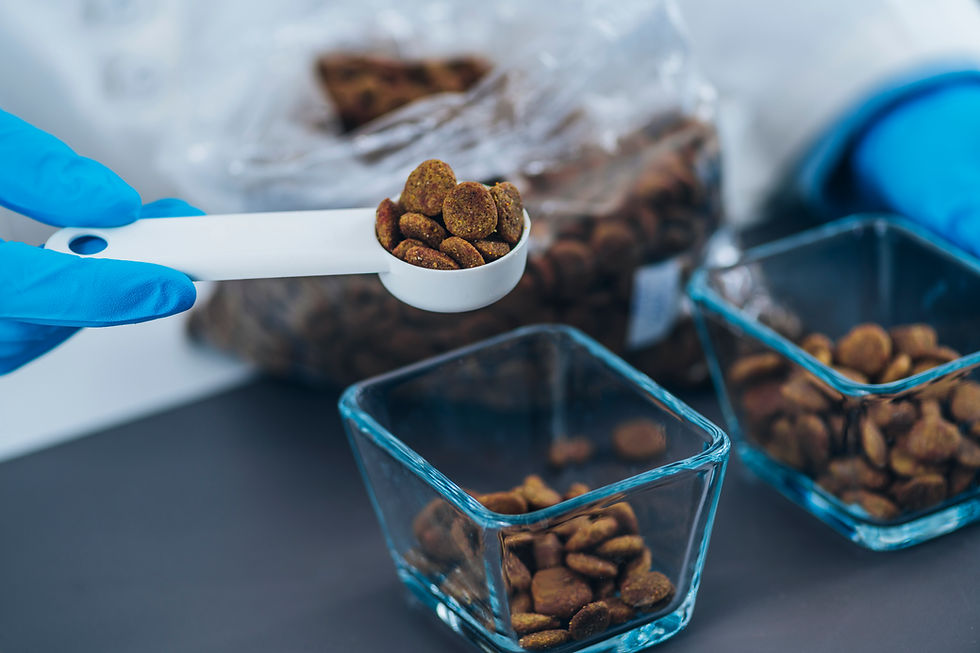
Walk into any pet store in America and you'll be hit with hundreds of dog food bags, all screaming the same things at you: "premium," "all-natural," "human-grade," "holistic," "grain-free." It's overwhelming — and that's by design.
The pet food industry in the US is a $58 billion market. And like most big industries, it spends a lot more on marketing than on transparency. The result? Labels that are technically legal but practically meaningless to the average dog owner.
Here's what you actually need to know.
The Terms That Mean Less Than You Think
"Premium" or "Gourmet": These words have no regulated definition in the pet food industry. Any brand can slap "premium" on their bag without meeting any specific quality standard. AAFCO (the Association of American Feed Control Officials) has confirmed that these terms are purely marketing language.
"All-Natural": According to AAFCO, "natural" means derived from plant, animal, or mined sources — not chemically synthesized. That sounds good until you realize it still allows rendered meat meals, by-products, and heavily processed ingredients. "Natural" doesn't mean fresh, organic, or high-quality.
"Human-Grade": This term can only be legally used if every ingredient and the manufacturing facility meet FDA standards for human food production. Very few brands actually qualify. Many use "human-grade ingredients" (note the shift in phrasing) — which is a completely different, unregulated claim.
What to Actually Look For
Forget the front of the bag. The real information is on the back — in the ingredient list and the guaranteed analysis.
The ingredient list is ordered by weight before processing. A named animal protein (like "chicken" or "beef") should be the first ingredient. Be cautious of vague terms like "meat meal," "animal by-products," or "poultry fat" — these can come from virtually any source and vary wildly in quality.
The guaranteed analysis tells you the minimum percentages of protein and fat, and the maximum percentages of fiber and moisture. For most adult dogs, look for a minimum of 18–25% protein and 8–15% fat on a dry-matter basis. Puppies and active dogs need more; senior dogs may need less fat.
Watch out for "splitting." Some brands list multiple forms of the same filler (like "ground corn," "corn gluten meal," and "corn bran") separately so that none of them appear as the top ingredient. If you add them up, corn might actually be the primary ingredient — but it doesn't look that way on the label.
The Grain-Free Debate
Grain-free dog food exploded in popularity over the past decade, driven by marketing that implied grains were bad for dogs. But here's what the science actually says: most dogs digest grains just fine. In fact, the FDA issued a warning in 2019 investigating a potential link between grain-free diets and dilated cardiomyopathy (DCM), a serious heart condition, in dogs.
The research is still evolving, but the takeaway is clear: grain-free isn't automatically better. Unless your dog has a diagnosed grain allergy (which is relatively rare), a well-balanced diet with whole grains like brown rice, oats, or barley is perfectly healthy — and often better than the legume-heavy alternatives used in grain-free formulas.
How to Choose Smarter
The practical checklist:
→ Named animal protein as the first ingredient
→ AAFCO statement confirming the food is "complete and balanced"
→ No vague ingredient terms ("meat meal," "animal digest")
→ No excessive fillers or ingredient splitting
→ A brand with transparent sourcing and manufacturing info
→ Formulated for your dog's life stage (puppy, adult, senior)
And one more thing: the most expensive food isn't necessarily the best food. Some mid-range brands outperform premium ones in independent testing. Focus on the ingredients and the AAFCO statement, not the price tag or the marketing copy.
At the end of the day, your dog doesn't care about branding. They care about how they feel. And the food you choose is one of the biggest levers you have for their long-term health.



Comments