
How to Keep Your Senior Dog Happy, Healthy & Comfortable


There's a moment every dog owner dreads — the day you realize your dog is getting old. Maybe it's the gray around their muzzle. The way they take a beat longer to stand up. The walks that used to be sprints but are now slow, deliberate strolls.
Aging is inevitable. But "old" doesn't have to mean "uncomfortable." With the right adjustments to diet, exercise, environment, and veterinary care, many senior dogs live vibrant, happy lives well into their golden years.
When Does a Dog Become "Senior"?
It depends on size. Smaller dogs tend to live longer and age more slowly. Giant breeds age faster and have shorter lifespans. Here's a general framework:
Small breeds (under 20 lbs) — around 10–12 years
Medium breeds (20–60 lbs) — around 8–10 years
Large/Giant breeds (60+ lbs) — around 6–8 years
These aren't hard cutoffs — they're guidelines.
Some 12-year-old Labs still act like puppies, while some 6-year-old Great Danes are already slowing down. The key is watching for changes in behavior, mobility, and energy — not just counting birthdays.
The Changes to Watch For
Aging happens gradually, which is why it's so easy to miss. Here are the most common signs that your dog is entering their senior years:
Mobility changes. Stiffness after rest, difficulty getting up, hesitation before jumping, slower on stairs. These often point to arthritis or general joint degeneration — the most common health issue in senior dogs.
Weight shifts. Some senior dogs gain weight as their metabolism slows. Others lose weight as muscle mass decreases. Both are worth monitoring and discussing with your vet.
Behavioral changes. Increased anxiety, confusion (especially at night), changes in sleep patterns, or loss of house training can signal cognitive dysfunction syndrome — the canine equivalent of dementia. It affects an estimated 28% of dogs aged 11 to 12, and up to 68% of dogs aged 15 to 16.
Sensory decline. Cloudy eyes, reduced hearing, and less interest in food (which may indicate declining sense of smell) are all normal parts of aging — but they can also mask more serious conditions like cataracts or dental disease.
What You Can Do: Practical Adjustments
Keep them moving — gently. Exercise remains essential for senior dogs, but the type and intensity should change. Swap long hikes for shorter, more frequent walks on soft terrain. Swimming is excellent — it's low-impact and easy on joints. Avoid hard stops, sharp turns, and high-impact play like jumping for balls.
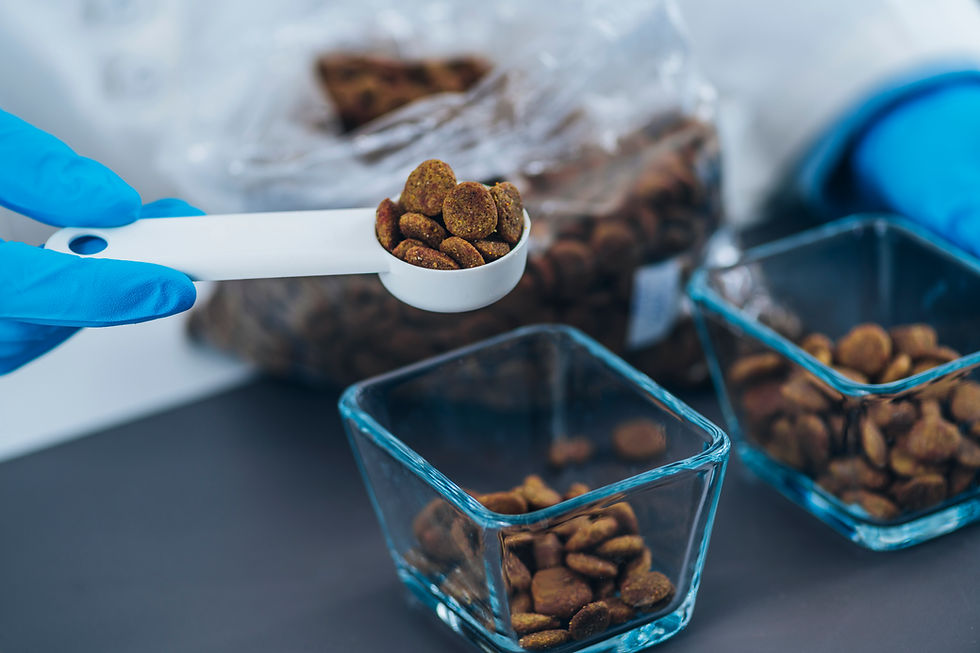
Adjust their diet. Senior dogs typically need fewer calories but more high-quality protein to maintain muscle mass. Look for senior-specific formulas with added joint support (glucosamine, omega-3s) and easy-to-digest ingredients. Talk to your vet about the right caloric intake for your dog's weight and activity level.
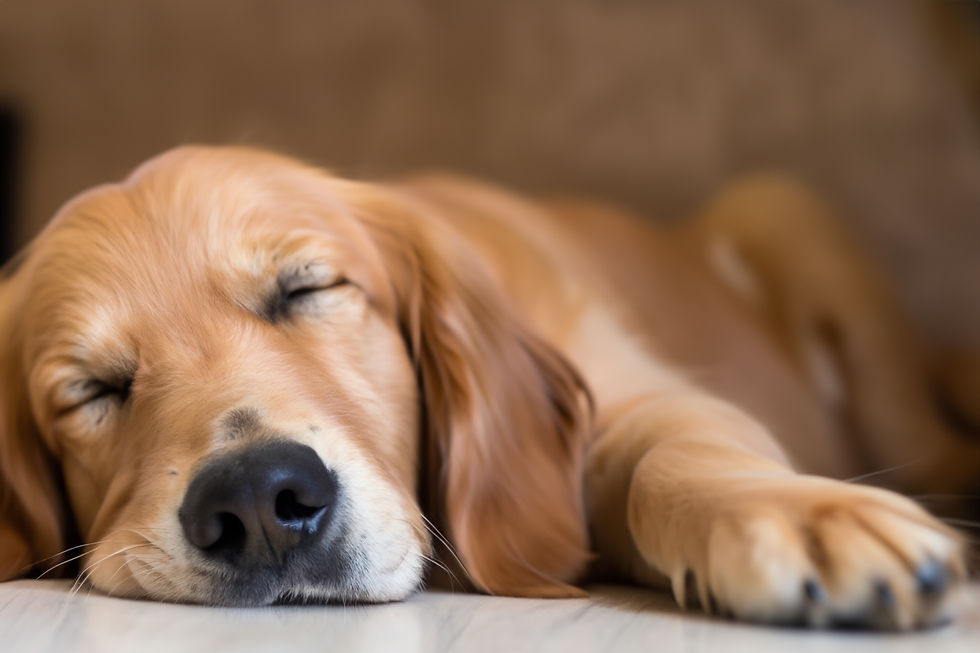
Upgrade their sleep setup. This is one of the most overlooked changes you can make. A senior dog sleeps 14 to 18 hours a day. If they're sleeping on a flat cushion or a worn-out bed that doesn't support their joints, every hour of rest is making their stiffness worse. A proper orthopedic bed with structured support can visibly improve mobility and comfort within days.
Make your home senior-friendly. Add non-slip rugs on hardwood and tile floors — slipping is a major fall risk for older dogs. Place ramps near beds and couches they like to access. Raise food and water bowls to reduce neck strain. Keep their bed in a warm, draft-free spot away from cold floors.
Increase vet visits. Most vets recommend switching from annual to semi-annual checkups once your dog hits senior age. Bloodwork, joint assessments, dental checks, and weight monitoring can catch problems early — when they're still manageable and less expensive to treat.
Mental Health Matters Too
Cognitive decline is real, and it's more common than most owners expect. Keeping your senior dog's brain active can slow the progression. Puzzle feeders, scent games, short training sessions (yes, old dogs can and should learn new tricks), and new walking routes that offer novel smells all provide mental stimulation.
Social interaction matters as well. Dogs that become isolated — because they can't keep up on walks or because their owners assume they "just want to sleep" — often decline faster. Gentle, low-key interaction and companionship remain critical throughout a dog's life.
The bottom line: Getting older is not a disease. It's a stage of life that comes with specific needs — and meeting those needs isn't complicated. Small, thoughtful changes to diet, exercise, environment, and veterinary care can make the difference between a dog that's merely surviving their senior years and one that's thriving through them.
Your dog gave you their best years without hesitation. The least we can do is make sure their last years are comfortable, dignified, and full of the things they love most — a good walk, a warm spot in the sun, and a bed that actually lets them rest.

Comments